 The Frosterley Table
Things to Do in County Durham: 12 Places Worth the Trip
What Is There to Do in County Durham?
County Durham packs a UNESCO World Heritage cathedral city, two of England's wildest dales, a run of proper castles, a fossil-streaked heritage coast, and one of the country's best living museums into a county many visitors drive straight past on the A1. That's the short answer — and the neglect is your gain. The North East's quiet middle child sits between the Yorkshire Dales and Northumberland, gets a fraction of their crowds, and rewards anyone who turns off the motorway.
This guide covers twelve places that genuinely earn a visit, from Durham's Norman cathedral to a waterfall thundering over ancient volcanic rock in Teesdale. A practical note before you set off: opening hours, admission prices, and seasonal access change often in rural County Durham, so confirm details with official sources before making a special journey.
The 12 at a Glance
| # | Place | Area | Best for |
|---|---|---|---|
| 1 | Durham Cathedral | Durham City | History, architecture |
| 2 | Durham Castle & the old city | Durham City | A half-day wander |
| 3 | Beamish Museum | Near Stanley | Families, living history |
| 4 | High Force | Teesdale | Waterfalls, walking |
| 5 | The Bowes Museum | Barnard Castle | Art, rainy days |
| 6 | Barnard Castle | Teesdale | Ruins, market-town charm |
| 7 | Raby Castle | Staindrop | Castles, deer park |
| 8 | Weardale & Frosterley | Weardale | Quiet dales scenery |
| 9 | Killhope Lead Mining Museum | Upper Weardale | Industrial heritage |
| 10 | Durham Heritage Coast | Seaham & around | Coastal walks, sea glass |
| 11 | Hamsterley Forest | Between the dales | Cycling, family walks |
| 12 | Locomotion, Shildon | Shildon | Railway history, free day out |
The City: Durham and Its World Heritage Site
1. Durham Cathedral
Durham Cathedral is the reason many people come to the county at all, and it deserves the reputation. Begun in 1093, it is one of the finest Norman buildings in Europe — massive carved columns, a vaulted nave that engineers still admire, and an interior that silences even coach parties. It holds the shrine of St Cuthbert and the tomb of the Venerable Bede, which made Durham a pilgrimage destination for centuries. Film fans may recognise the cloister from the early Harry Potter films. Entry policies and tower-climb arrangements change, so check ahead, but budget a couple of hours minimum.
2. Durham Castle and the Old City
Facing the cathedral across Palace Green, Durham Castle completes the UNESCO World Heritage Site. It's a working part of Durham University — students genuinely live in it — so visits run as guided tours rather than free wandering, which makes the interior feel lived-in rather than museum-still. Afterwards, follow the cobbled Bailey down to the riverbanks: the wooded loop along the River Wear below the cathedral is one of England's great short city walks. The peninsula's medieval street plan survives almost intact, and the whole circuit, castle to riverbank to Market Place, fits comfortably into half a day.
3. Beamish, the Living Museum of the North
Beamish is an open-air museum that recreates North East life across different eras — a Georgian landscape, a 1900s town and colliery village, and a 1940s farm among them — using real buildings moved brick by brick from across the region. Costumed staff bake, mine-talk, and run the sweet shop; vintage trams and buses carry you between areas. It's the rare heritage attraction that children and grandparents rate equally. It's also big: come early, wear sensible shoes, and treat it as a full day rather than a stop-off.
Castles, Ruins, and a French Chateau
4. High Force, Teesdale
High Force is among the most dramatic waterfalls in England: the River Tees plunges about 21 metres over a shelf of Whin Sill dolerite into a churning gorge. After heavy rain it is genuinely thunderous. The main access is a short woodland walk from the road near the High Force Hotel, usually for a small charge, or you can approach along the public footpath on the far bank via the Pennine Way. Pair it with Low Force, a smaller cascade downstream, and the Bowlees area for an easy, satisfying Teesdale half-day.
5. The Bowes Museum
Nothing prepares you for the sight of a full-scale French chateau rising out of a Teesdale market town. The Bowes Museum was purpose-built in the 19th century by John and Joséphine Bowes to house their art collection, and it remains a serious gallery — paintings, ceramics, fashion, and furniture. Its star is the Silver Swan, a life-size 18th-century silver automaton that preens and catches a fish; demonstration times vary, so check before visiting if the swan is your priority. This is the county's best rainy-day option by a distance.
6. Barnard Castle
The town takes its name from the ruined Norman castle perched above the River Tees, now in the care of English Heritage. The ruins are atmospheric and the river views are excellent, but the town itself is half the appeal: a proper working market town with independent shops, butchers, and bakeries along a handsome main street. It makes a natural base for Teesdale, with High Force and the Bowes Museum both close. If you're settling in for lunch at a local inn, our guide to British pub food classics will tell you what belongs on the menu.
7. Raby Castle
Raby, near Staindrop, is the opposite of a ruin: a substantial medieval castle with towers, battlements, and interiors still in use, set in a large park where herds of deer graze. It was a stronghold of the powerful Neville family in the Middle Ages and remains privately owned, opening to visitors seasonally. The walled gardens and parkland walks are as much of a draw as the state rooms. Opening days vary through the year, so this is one to check before travelling.
The Dales: Weardale and the Wild West of the County
8. Weardale and the Village of Frosterley
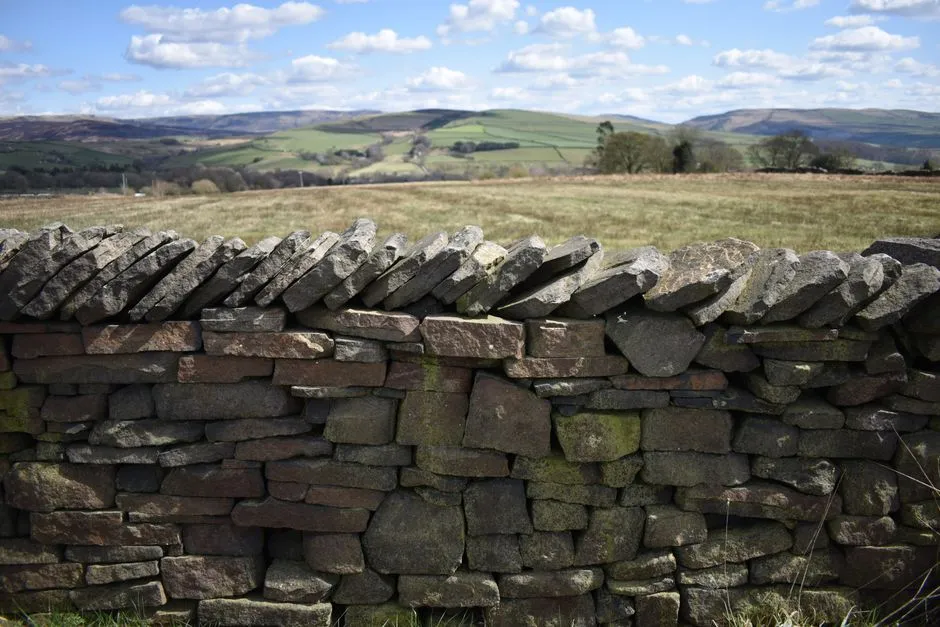
Weardale is the quieter of Durham's two great dales, and that's its charm: drystone walls, sheep-cropped fells, and stone villages like Stanhope, Wolsingham, and Frosterley strung along the River Wear. Frosterley gave its name to Frosterley marble — a dark, fossil-rich limestone that, when polished, reveals the coiled remains of ancient corals. You can see it in the columns of Durham Cathedral's Chapel of the Nine Altars, which makes a nice full-circle moment if you started your trip in the city. Come for riverside walks, village pubs, and the sense of having a landscape to yourself.
9. Killhope, the North of England Lead Mining Museum
Upper Weardale was once one of the most productive lead-mining areas in Britain, and Killhope tells that story on the site of a real Victorian mine. The giant restored waterwheel is the landmark; the underground mine tours (sturdy footwear essential) and the displays on the lives of mining families are what stay with you. It sits high in the dale near Cowshill, remote even by Weardale standards, and typically operates seasonally — check opening times before making the drive, because it's a long way to find a locked gate.
Coast, Forest, and Railway Country
10. The Durham Heritage Coast
Durham's coastline was black with colliery waste within living memory; today, after one of Britain's most remarkable coastal clean-ups, it's a heritage coast of magnesian limestone cliffs, wildflower grasslands, and wave-cut beaches. Seaham is the hub: its beaches are famous among collectors for sea glass, tumbled smooth from the town's Victorian glassworks era, and the harbour front has a moving First World War soldier sculpture known locally as Tommy. Walk a stretch of the England Coast Path here and you'll have earned your fish and chips.
11. Hamsterley Forest
Hamsterley is County Durham's largest forest, managed by Forestry England, filling a side valley between Weardale and Teesdale. It's the county's outdoor playground: waymarked walking trails, mountain-bike routes from family-friendly to technical, and a forest drive for those who'd rather roll than ride. It's at its best in autumn colour or on a hot summer day when the shade matters. Facilities cluster near the visitor centre; the deeper you go, the quieter it gets.
12. Locomotion, Shildon
The Stockton & Darlington Railway of 1825 — the world's first public railway to use steam locomotives — ran through this corner of the county, and Shildon was one of its earliest railway towns. Locomotion, part of the Science Museum Group, celebrates that history with halls full of historic locomotives and rolling stock. Entry is free (donations welcome), which makes it one of the county's best-value days out, especially with children who like their history large, mechanical, and climb-on-able.
Planning Your Trip
A few honest pointers from a county we know well:
- Base yourself smartly. Durham City suits a first visit; Barnard Castle or a Weardale village suits walkers and anyone wanting quiet evenings.
- Drive if you can. Buses serve the main towns, but the dales, High Force, and Killhope are far easier with a car.
- Book Sunday lunch. Village pubs fill fast on Sundays — and if pub customs are new to you, our British pub etiquette guide covers ordering at the bar, tipping, and rounds.
- Check before you travel. Rural attractions here run seasonal hours; a two-minute check saves a two-hour drive.
What Is County Durham Known For?
County Durham is best known for Durham Cathedral and Castle — a UNESCO World Heritage Site since 1986 — and for its mining and railway heritage, which shaped the North East and, through the Stockton & Darlington Railway, the modern world. It's also known for its landscapes: Weardale and Teesdale form part of the North Pennines, a designated National Landscape, while the restored Durham Heritage Coast shows what determined conservation can do. Add Beamish, the Bowes Museum, and a strong tradition of village pubs — explored across our County Durham guides — and you have a county that quietly outperforms its reputation.
Frequently asked questions
Is County Durham worth visiting?
Yes — it combines a UNESCO World Heritage cathedral city with two unspoilt Pennine dales, several castles, a restored heritage coastline, and major museums like Beamish and the Bowes Museum, all with far fewer crowds than the Lake District or Yorkshire Dales. It suits history lovers, walkers, and families equally well, and most highlights sit within an hour's drive of Durham City.
What is County Durham famous for?
County Durham is most famous for Durham Cathedral, one of Europe's finest Norman buildings and part of a UNESCO World Heritage Site with Durham Castle since 1986. It is also known for its coal-mining and railway heritage — the pioneering Stockton & Darlington Railway of 1825 ran through the county — plus the Pennine landscapes of Weardale and Teesdale and the dramatic High Force waterfall.
How many days do you need in County Durham?
A long weekend covers the essentials: one day for Durham City's cathedral, castle, and riverbanks, one for Beamish or the Durham Heritage Coast, and one for Teesdale's High Force, Barnard Castle, and the Bowes Museum. Add a fourth day if you want to explore Weardale properly or spend a full day walking or cycling in Hamsterley Forest.
What can you do in County Durham on a rainy day?
The Bowes Museum in Barnard Castle is the county's best wet-weather option — a purpose-built art museum housing the famous Silver Swan automaton. Durham Cathedral, Durham Castle's guided tours, and Locomotion at Shildon (which is free to enter) are also largely indoors. Beamish works in light rain since its trams, shops, and cottages offer plenty of shelter between areas.
What is there to do in Weardale?
Weardale offers riverside and fell walking around stone villages like Stanhope, Wolsingham, and Frosterley — the village that gave its name to fossil-rich Frosterley marble, visible in Durham Cathedral. High in the dale, Killhope's North of England Lead Mining Museum tells the area's industrial story with a giant waterwheel and underground tours. It's the quietest of Durham's dales, ideal for unhurried days and village pubs.
Do you need a car to explore County Durham?
A car makes a big difference. Durham City is easy by train, and buses connect the main towns, but rural highlights such as High Force, Raby Castle, Killhope, and upper Weardale have limited or seasonal public transport. If you're relying on buses, base yourself in Durham City or Barnard Castle and plan around timetables — and always check rural attraction opening times before setting out.