 The Frosterley Table
British Pub Etiquette: How to Order, Tip, and Fit Right In
What Is British Pub Etiquette?
British pub etiquette is the set of unwritten customs that govern how a pub visit works: you order and pay at the bar rather than waiting for table service, you don't tip the way you would in a restaurant, and if you're drinking with a group you take turns buying "rounds" for everyone. None of it is written on the wall, and regulars absorb it so early they forget it ever needed learning — which is exactly why a first visit can feel like walking into a game whose rules everyone else already knows.
The good news: the rules are few, they're forgiving, and once you know them a pub becomes one of the most relaxed places in Britain to eat, drink, and pass an afternoon. Here's how it all works.
How to Order at a British Pub
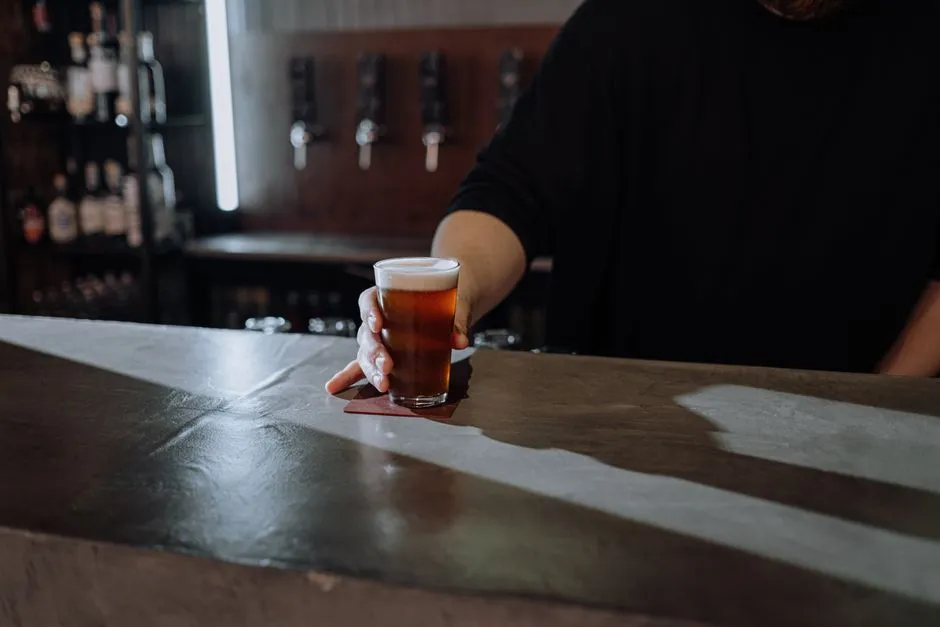
The single most important rule: in most pubs, you order at the bar. Walk in, find the bar, and order your drinks directly from the staff. Nobody will come to your table to take a drinks order, and waiting at a table for service is the classic tourist giveaway.
The invisible queue
There's rarely a formal line at a British bar. Instead there's an invisible queue that everyone silently tracks. The system works like this:
- Stand at the bar with your money or card visible — that signals you're waiting to order.
- Bar staff generally serve people in the order they arrived, and they're better at tracking it than you'd expect.
- Never wave, snap your fingers, whistle, or call out. Catching the bartender's eye and a small nod is the entire technology.
- If a bartender serves you out of turn and someone was clearly first, saying "I think they were before me" earns you instant goodwill.
Ordering food
Food usually works one of two ways, and the pub will make it obvious:
- Order at the bar. Note your table number (often on the table itself), choose from the menu, then order and pay at the bar. Food is brought to you.
- Table service in the dining area. Pubs with a serious food trade often run a separate dining room with conventional service. If a sign says "please wait to be seated," that section works like a restaurant.
If you're unsure, just ask at the bar — "do we order food here?" is a completely normal question. And if you're deciding what to order, our guide to British pub food classics covers the dishes worth crossing a room for, from fish and chips to steak and ale pie.
What to say when ordering
Keep it simple and direct: name the drink, name the size, add "please." "A pint of the bitter, please" is perfect, and pointing at the pump clip you want is completely acceptable if you can't quite read the name. Useful vocabulary:
- A pint — the standard beer measure, and a generous one at that (an imperial pint is bigger than a US pint).
- A half — half a pint, completely acceptable for anyone at any time.
- On draught — beer pulled from the taps rather than from a bottle or can.
- Cask ale — traditional British beer served at cellar temperature, which is cooler than room temperature but warmer than an ice-cold lager, with gentler natural carbonation. That's deliberate: it isn't flat or warm by accident.
You typically pay when you order, drink by drink or round by round. Contactless card payment is now standard almost everywhere, though a small rural pub may still prefer cash — no harm in carrying some.
Do You Tip at Pubs in England?
No — tipping at the bar is not expected, and nobody will think less of you for not doing it. This is the question visitors ask most, and the answer genuinely is that simple. Bar staff are paid a wage, not a tip-dependent income, and there's no percentage to calculate and no awkwardness in paying the exact price and walking away with your pint.
That said, there are a few situations where tipping — or its local equivalent — does appear:
| Situation | What's customary | Typical amount | Why |
|---|---|---|---|
| Ordering drinks at the bar | Nothing. Pay the price and go | £0 | Bar staff earn a wage; no tip is built into the price |
| Great service at the bar | Offer the bartender a drink: "and one for yourself?" | The price of a half or a soft drink | The pub's own thank-you, and it's a gesture rather than a transaction |
| Table service for a full meal | Optional, if the service was good | Around 10% | The dining side of a pub behaves like a casual restaurant |
| A service charge already on the bill | Nothing extra | £0 — check the bill so you don't pay twice | Some pubs add the charge automatically, usually 10–12.5% |
The "and one for yourself" custom is worth one extra note: staff will often ring the value of a half or a soft drink into the till rather than actually pouring one, and drink it later or not at all. That's normal, and it's not a snub.
How Buying Rounds Works
The round is the social engine of the British pub, and it's the custom most worth understanding before drinking with British friends or colleagues.
The system: when a group drinks together, one person buys drinks for the whole group. When those drinks are finished, the next person buys the next round. It rotates until everyone has bought one — or until the evening ends, at which point anyone who hasn't "got a round in" owes one next time, and people genuinely remember.
The core rules:
- If you accept a drink in a round, you've joined the round. You're now expected to buy one when your turn comes.
- Don't dodge your turn. Skipping out just before your round is the single fastest way to damage your reputation in a British social group.
- Don't over-order on someone else's round — ordering the most expensive thing on the bar when someone else is paying is noticed.
- You can opt out gracefully. Saying "I'm only staying for one, so I'll get my own" at the start is completely fine. Joining a round and then vanishing is not.
- Rounds include non-drinkers. A lime and soda or a cola slots into a round exactly like a pint. Nobody who matters will pressure you to drink alcohol.
For big groups — say, eight people — rounds get expensive and slow, and it's normal for the group to split into smaller round "pools" or just pay individually. Common sense beats ceremony.
Pub Rules for Visitors: The Quick List
Most pub etiquette for tourists is already covered by the three customs above — order at the bar, don't tip at the bar, take your turn in a round. These are the smaller ones that smooth out a first visit:
- Please and thank you do a lot of work. "A pint of the bitter, please" and a "thanks" or "cheers" when the glass lands is the whole script. British service culture is quieter than American service culture, not colder, and the politeness runs in both directions.
- Seating is a free-for-all unless a sign says otherwise. Sit anywhere that isn't marked reserved. In a busy pub, asking "is anyone sitting here?" before taking a spare chair is standard.
- Mind the regulars' territory lightly. In a village local, the bar stools nearest the taps are often the informal domain of daily regulars. Nobody owns them, but a first-time visitor taking a table is the smoother play.
- "Last orders" means what it says. Near closing time, staff ring a bell or call "last orders" — your cue to buy a final drink. A second bell or a call of "time" means the bar has closed; you'll then have a short grace period to finish up, at the landlord's discretion rather than by any fixed right.
- Children are welcome in many pubs, with limits. Family-friendly and food-led pubs generally welcome kids, usually in the dining areas and until the evening. Some traditional pubs are adults-only — a quick look or ask at the door settles it.
- Dogs often are too. Plenty of British pubs, especially in walking country, welcome dogs in the bar area. Look for a water bowl by the door.
- Take your empties back if it's easy. Returning glasses to the bar isn't required, but it's a small courtesy that marks you as someone who gets it.
Putting It Into Practice
The best way to learn pub etiquette is to use it somewhere worth the trip. A proper Sunday roast in a country pub is the ideal first outing — it combines the bar-ordering ritual, the dining-room exception, and Britain's best weekly meal in one sitting. And if you want the full experience of village pubs surrounded by serious landscape, the dales and villages in our guide to things to do in County Durham are exactly the kind of country where these customs still run deepest.
Order at the bar, keep your round, skip the tip anxiety, and say please. That's genuinely most of it — the rest is just enjoying one of Britain's great institutions.
Frequently asked questions
Do you tip at pubs in England?
No — tipping at the bar is not expected, and paying the exact price is completely normal. Bar staff are paid a wage rather than relying on tips. If service was great, the traditional gesture is offering to buy the bartender a drink by saying 'and one for yourself.' For a full table-service meal in a pub dining room, around 10% is appreciated but optional — and check the bill first, as some pubs add a service charge automatically.
How do you order at a British pub?
Go to the bar and order directly from the staff — in most pubs nobody comes to your table for drinks. Name the drink and the size and add 'please'; pointing at the pump clip you want is fine too. You almost always pay as you order, drink by drink or round by round, and contactless card is accepted nearly everywhere. For food, note your table number and order at the bar as well, unless the pub runs a separate table-service dining room — a 'please wait to be seated' sign is the giveaway, and asking 'do we order food here?' settles it.
How does buying rounds work in a UK pub?
When a group drinks together, one person buys drinks for everyone, and the duty rotates until each person has bought a round. Accepting a drink in a round means you've joined it, so you're expected to buy one when your turn comes — dodging your round is the cardinal sin of pub socialising. You can opt out politely at the start by saying you'll buy your own, and non-alcoholic drinks slot into a round exactly like a pint.
What does 'last orders' mean in a pub?
Last orders is the signal — usually a bell or a call from behind the bar — that the pub is about to stop serving, so it's your final chance to buy a drink. A second bell or a call of 'time' means the bar has closed. You're not thrown out instantly; you'll get a short grace period to finish your drinks, but that's at the landlord's discretion rather than a fixed entitlement, so drink up promptly rather than lingering.
Can tourists take their children or dogs into a British pub?
Often, yes. Food-led and family-friendly pubs generally welcome children, usually in dining areas and during the daytime and early evening, while some traditional pubs are adults-only — a quick ask at the bar settles it. Dogs are welcome in the bar areas of many pubs, especially in walking country; a water bowl by the door is the usual sign. Rules vary pub by pub, so checking ahead is wise for either.
Is it rude to wave at the bartender in a British pub?
Yes — waving, snapping fingers, whistling, or calling out reads as rude, and it rarely gets you served faster. British bars run on an invisible queue: staff quietly keep track of who arrived when, so patience and brief eye contact are all that's needed. If you're served ahead of someone who was clearly waiting first, saying so is good form rather than a lost turn — you'll be next.