 The Frosterley Table
Vegetarian Pub Food: What to Order in Britain
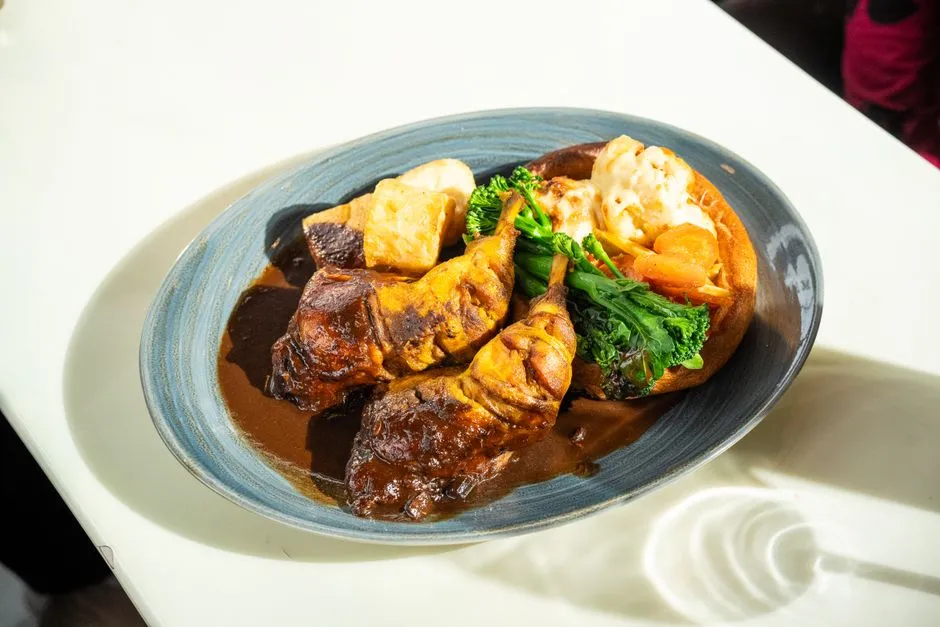
Vegetarian pub food is broader than chips and salad
Vegetarians can eat well in many British pubs, but the useful question is not simply whether a dish contains visible meat. Gravy may use meat stock, roast potatoes may be cooked in animal fat, cheese may use animal rennet, and chips may share a fryer with fish. A vegetarian label covers ingredients, not every allergy or kitchen-handling concern, so ask staff when the distinction matters.
The strongest menus treat the vegetarian choice as a complete dish: a pie with a proper filling, a roast with its own gravy, or a curry built for vegetables rather than a meat dish with the meat removed. Older village pubs may offer fewer choices than city gastropubs, but one thoughtful option beats a page of reheated substitutes.
Start by reading the menu's structure
British pub menus often divide into classics, grills, burgers, pies, lighter dishes, and specials. Vegetarian food can appear in any of those sections rather than under a separate heading. Look for a clear “V” key, then read the description instead of trusting the dish name.
Three questions quickly clarify an unclear menu:
- Is the gravy or sauce vegetarian?
- Are the chips or roast potatoes cooked separately from meat and fish?
- Can the kitchen identify ingredients relevant to an allergy or intolerance?
Ask before ordering, ideally when the bar is not buried in a rush. Our British pub etiquette guide explains why ordering at the bar is normal and when a dining room may use table service.
Reliable vegetarian pub dishes
Availability varies, but these formats give a kitchen enough structure to make a satisfying plate.
Vegetable, mushroom, or cheese pie
A proper pie can carry mushrooms and ale, leek and cheese, curried vegetables, or root vegetables in gravy. Check whether “pie” means a fully pastry-encased dish or a filling under a pastry lid; both can taste good, but the latter is closer to a topped stew.
The pastry, sauce, and accompaniment all need checking. Suet pastry can contain animal fat, gravy can use meat stock, and mash may be enriched with dairy. None of those details can be inferred from the word “vegetable.”
Vegetarian Sunday roast
A vegetarian roast should preserve the architecture of the meal: a central item, crisp roast potatoes, vegetables, Yorkshire pudding where suitable, and abundant vegetarian gravy. Nut roast, mushroom Wellington, lentil loaf, and vegetable pie are common centrepieces.
Ask about the potatoes and gravy rather than assuming the vegetables make the plate vegetarian. Yorkshire pudding normally contains egg and milk, so it can suit many vegetarians but not vegans. The full plate is decoded in our Sunday roast guide.
Curry, dhal, and chilli
Pub curries have moved well beyond one token vegetable option. Chickpea curry, lentil dhal, bean chilli, and vegetable tikka-style dishes can provide protein and texture without imitation meat. Rice is usually the simplest side, while naan, yoghurt, butter, and garnishes may introduce dairy.
Check whether a “vegetable curry” uses a base sauce shared with meat dishes. A clear vegetarian mark should answer the ingredient question, but a direct conversation is still appropriate for allergies.
Jacket potato with a substantial filling
A baked potato becomes a proper lunch with baked beans, cheese, vegetable chilli, or another filling plus salad. It is a useful fallback on a traditional menu because the components are easy to explain and adjust.
Butter, cheese, and mayonnaise are vegetarian but not vegan. Ask for them separately if you want control, and make sure a bean or chilli topping is not made with meat stock.
Welsh rarebit and cheese-led dishes
Welsh rarebit is toast under a savoury cheese sauce, often sharpened with mustard and a dark fermented sauce. Some versions of that sauce contain anchovy, and some cheeses use animal rennet. A pub that marks the finished dish vegetarian has already accounted for its recipe; if it is unmarked, ask.
Macaroni cheese, cauliflower cheese, and cheese-and-onion pie can also work, though they range from side dish to full meal. A salad or vegetables beside them keeps the plate from becoming nothing but starch and cheese.
Plant-based burger or sausages
These are now common, but the quality of the plate depends on more than the patty. Check the bun, sauce, cheese, and fryer arrangement if you need the whole order to meet a specific standard. A vegan patty served with dairy cheese becomes vegetarian, not vegan.
Vegetarian versions of the pub classics
The traditional canon in our British pub food guide is meat-heavy, but several formats adapt well.
| Classic format | Vegetarian version that makes sense |
|---|---|
| Pie and mash | Mushroom-and-ale or root-vegetable pie with vegetarian gravy |
| Bangers and mash | Plant-based sausages with onion gravy made without meat stock |
| Sunday roast | Nut roast, Wellington, lentil loaf, or vegetable pie with separate gravy |
| Burger and chips | Bean, mushroom, vegetable, or plant-protein patty |
| Pub curry | Chickpea, lentil, paneer, or mixed-vegetable curry |
| Ploughman's-style lunch | Cheese, bread, pickle, fruit, and salad, with rennet checked if needed |
The best adaptation keeps the logic of the original plate. Removing sausages from bangers and mash leaves mash; replacing them with a seasoned centrepiece creates a meal.
Vegetarian does not mean vegan or allergen-free
Vegetarian food may contain milk, egg, and honey. It may also contain wheat, nuts, mustard, celery, soya, or other allergens. Vegan food excludes animal-derived ingredients, but a vegan label is not a promise that a dish is safe for every allergy or protected from cross-contact.
If you have an allergy or coeliac disease, tell staff clearly before ordering and use the pub's allergen information rather than a general menu description. Do not rely on a “V” or “VG” symbol alone. Recipes, garnishes, oils, and suppliers change.
Shared fryers deserve a separate question. A vegetarian may be comfortable with chips cooked in oil also used for fish; someone managing an allergy or choosing strict vegan preparation may not be. State what you need instead of assuming everyone uses the same definition.
How to spot a thoughtful vegetarian option
A good dish usually has four features:
- a named central ingredient rather than the vague phrase “vegetable medley”;
- a sauce or gravy designed for the dish;
- protein or substance from beans, lentils, eggs, cheese, nuts, mushrooms, or a plant-based product;
- sides that are vegetarian in their own right.
Seasonal specials can be promising because roots, mushrooms, squash, peas, and greens fit pub cooking naturally. Yet “homemade” and “local” describe sourcing or preparation, not vegetarian suitability. Read the actual ingredients.
Ordering without making it awkward
Be direct and specific: “Is the mushroom pie and its gravy vegetarian?” is easier to answer than “What can I eat?” If you are vegan or have an allergy, say that explicitly because the kitchen needs different information.
Avoid asking staff to improvise a new main course during peak service. A small adjustment—leaving off cheese or serving gravy separately—is different from rebuilding a dish whose sauce was prepared earlier. If the menu cannot safely meet your needs, choosing another venue is more sensible than negotiating with an uncertain kitchen.
The practical rule is simple: look for a complete dish, verify the hidden components, and separate dietary preference from allergy safety. A British pub meal should still feel generous and coherent without meat; it should never amount to chips, peas, and an apology.
Frequently asked questions
What vegetarian food can I order at a British pub?
Look for vegetable or mushroom pie, a vegetarian roast, chickpea or lentil curry, bean chilli, a filled jacket potato, Welsh rarebit, macaroni cheese, or a plant-based burger. Menus vary widely, so read the dish description and check that its gravy, sauce, potatoes, and sides are vegetarian too.
Is a British Sunday roast vegetarian?
A standard meat roast is not, but many pubs offer a vegetarian centrepiece such as nut roast, mushroom Wellington, lentil loaf, or vegetable pie. Confirm that the gravy is meat-free and the potatoes were not cooked in animal fat. Yorkshire pudding generally contains egg and milk, so it is not vegan.
Are pub chips vegetarian?
The potatoes and vegetable oil may be vegetarian, but the fryer may also cook fish or meat products. Some venues may use a different cooking fat. Ask the pub about its current fryer and ingredients if shared oil affects your dietary choice or if you are managing an allergy.
Is vegetarian pub food automatically vegan?
No. Vegetarian dishes may contain milk, cheese, butter, egg, or honey. A plant-based main can also arrive with dairy cheese, mayonnaise, or a non-vegan bun. Check the finished dish and its sides rather than assuming one vegan component makes the whole plate vegan.
Why might gravy not be vegetarian?
Traditional gravy may be made from meat juices or meat stock even when it is poured over vegetables or a plant-based centrepiece. Ask whether the pub prepares a separate vegetarian gravy. The same check applies to pie sauce, onion gravy, and the base used for soups or curries.
Does a vegetarian menu symbol cover food allergies?
No. A vegetarian symbol describes the absence of meat or fish ingredients under the venue's definition; it does not show that a dish is free from milk, egg, wheat, nuts, or other allergens. Tell staff about the allergy and use the venue's specific allergen information before ordering.